
Top 6 Spring 22 Features in Salesforce


The Salesforce Spring 22 release is packed with exciting updates for Flow, giving us more power, flexibility, and efficiency in automation. If you’re like me, you probably dive straight into the release notes to see what’s new—but here’s a quick tip: you’ll need to navigate to the “Einstein Automate” section to find the Flow updates. It’s a little hidden, but trust me, these changes are worth the extra click.

With each release, Salesforce continues its commitment to making Flow the go-to automation tool, and Salesforce Spring 22 is no exception. From Flow Trigger Explorer to the Migrate to Flow tool, these updates enhance the way we build, visualize, and execute automation. Whether you’re looking for better control over record-triggered flows, new ways to handle complex business processes, or just quality-of-life improvements like auto-layout, this release has something for everyone.
I’ve gone through the Spring Salesforce release notes and picked out my top six Flow enhancements, plus a few honorable mentions. These features will impact how we design automation, streamline business processes, and transition from legacy tools like Workflow Rules. Let’s break down what’s new, why it matters, and how you can start using these updates today!
First of all, let me point out that when you go to the release notes, you need to click on “Einstein Automate” to find flows. Weird, right? I know. Let’s go.
1. First Place: Flow Trigger Explorer and the Run Order Setting
The Flow Trigger Explorer is a major leap forward for managing record-triggered flows. Previously, if you had multiple record-triggered flows running on the same object, you had little visibility into their execution order. This often led to unpredictable behavior, making debugging and troubleshooting more difficult.
With Flow Trigger Explorer, you now have a centralized interface to view all active and inactive record-triggered flows associated with a specific object. Even better, you can filter them based on trigger type—whether they fire on Create, Update, or Delete actions. The interface also organizes flows into three categories:

- Before-Save (Fast Field Updates) – Runs before the record is saved, improving performance.
- After-Save (Actions and Related Records) – Runs after the record is committed to the database.
- Asynchronous – Executes processes that can be delayed without affecting the user experience.
Additionally, Salesforce introduced the Trigger Order setting, allowing you to assign a number (from 1 to 2,000) to each flow. This number dictates execution priority, ensuring a controlled sequence of operations when multiple flows exist for the same object.
This feature brings much-needed predictability to record-triggered automation, empowering admins and developers to organize flows without worrying about execution conflicts.
2. Second Place: Flow Orchestrator
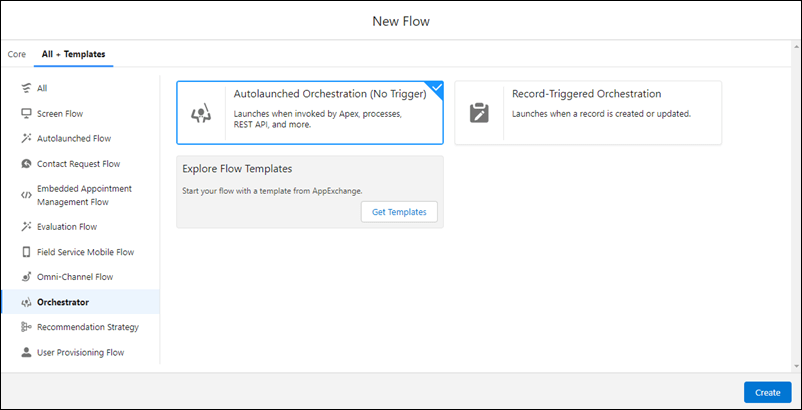
Flow Orchestrator is a game-changer for businesses that rely on complex, multi-step processes involving different people or teams. Instead of stitching together separate flows and approvals manually, Flow Orchestrator allows you to declaratively build sophisticated business processes that span multiple stages, roles, and flows.
Key capabilities include:
- Multi-Step Approvals and Assignments – Break processes into structured steps, each requiring input from different users.
- Process Visibility – Admins and managers can track where an orchestrated process stands at any given moment.
- Embedded Work Items – Tasks and assignments can be displayed directly on record pages, making it easy for assignees to take action.
Since Flow Orchestrator is now generally available, it’s an ideal time for businesses to explore how it can streamline workflows involving multiple teams. I’ll be diving deeper into this feature in a future newsletter, so stay tuned!
3. Bronze Medal: Migrate to Flow Tool (Beta)
With Workflow Rules and Process Builder being retired, the Migrate to Flow tool is a critical feature to help admins transition automation to Flow Builder, which is now the primary automation tool in Salesforce.
The tool allows you to convert existing Workflow Rules into Record-Triggered Flows with minimal effort. However, while this provides a quick migration path, it comes with limitations:
- It converts workflow rules “as-is”—meaning, no consolidation or optimization takes place.
- Some complex automations may require manual adjustments post-migration.
- It does not yet support Process Builder conversions, but that feature is expected in future releases.
Although this tool is helpful, I don’t recommend relying on it blindly. Instead, consider redesigning your automation logic to leverage Flow’s advanced capabilities. Migrating is a great first step, but don’t miss the opportunity to refactor and optimize along the way.
4. Auto-Layout: Finally GA!
Auto-layout has been available in beta, but in Spring ’22, it became the default layout in Flow Builder. This is a huge quality-of-life improvement, making it easier to organize, visualize, and build flows.
Benefits of Auto-Layout:
- Elements are automatically aligned and spaced – No more manually dragging components around to make the canvas look neat.
- Easier to follow complex flows – The clean structure makes it simpler to understand how data moves through the flow.
- More user-friendly for new Flow builders – Auto-layout eliminates unnecessary clutter, making Flow Builder less intimidating for beginners.
This feature doesn’t impact the functionality of flows, but it dramatically improves the user experience when designing them. If you prefer the old free-form layout, you can still switch back manually—but once you try auto-layout, you may not want to go back!
5. Filter Items into a Collection in Flow Builder
One of the most exciting updates in the Salesforce Spring 22 update is for advanced Flow builders! Previously, filtering a collection within Flow required looping through it, checking conditions, and adding matching records to a new collection. This was tedious and inefficient.
Now, the Collection Filter element allows you to filter a collection directly without looping. Here’s how it works:
- Select a collection variable (e.g., a list of records from a Get Records element).
- Define filter conditions (e.g., keep only opportunities with an Amount > 10,000).
- The result is a new filtered collection, while the original remains unchanged.
Why is this a big deal?
- Performance boost – No need for unnecessary loops.
- Cleaner flows – Reduces the number of elements needed.
- More powerful automation – Helps streamline data manipulation within Flow.
This feature is a must-have for anyone working with complex datasets in Salesforce automation.
6. Generate Choice Options from Record Collections
This is another highly requested feature that significantly expands Flow’s flexibility. Previously, when working with Choice elements (e.g., picklists, radio buttons, multi-select lists), you had to manually define choices or duplicate data with a Get Records call.
Now, you can dynamically generate choices directly from an existing record collection!
Why this matters:
- Eliminates the need to re-query data when you already have a collection.
- Allows for dynamic dropdowns based on real-time data.
- Works well with Collection Filters (see #5), making dynamic forms even more powerful.
For example, if you retrieve a list of accounts, you can now instantly turn them into dropdown choices without extra logic. This enhancement allows for more modular and reusable flow designs, reducing unnecessary processing while keeping automation lightweight and efficient.
Nice touch award:
Track Flows in Browser Tabs. A flow’s name and version now appear on your browser tab titles, so you can quickly scan your workspace and find your flow.
Promising artist:
Make Custom Screen Components React to Other Components on the Same Flow Screen (Pilot) Design a flow screen with custom screen components that respond to updates on the same screen, and reduce the number of screens for a user to navigate through.
Conclusion
The Salesforce Spring 22 release brings a mix of game-changing enhancements and long-awaited improvements for Flow users. With tools like Flow Trigger Explorer, Flow Orchestrator, and the Migrate to Flow tool, we’re seeing a shift toward greater flexibility and control in automation. The introduction of auto-layout, collection filtering, and collection-based choice options makes building flows smoother, cleaner, and more efficient than ever.
These updates reinforce what we already know: Flow is the future of Salesforce automation. If you haven’t yet started transitioning from Workflow Rules and Process Builder, now is the time. The Migrate to Flow tool makes this shift easier, and the enhancements to Flow Builder give us even more ways to refine and optimize our automation strategies.
Looking ahead, features like interactive screen components (currently in pilot) show that Flow continues to evolve. If you haven’t explored these new tools yet, I highly recommend diving in. Try them out, experiment, and see how they can improve your automation game. Which of these new Flow features are you most excited about? Let me know—I’d love to hear your thoughts!
Explore related content:
Flow Orchestrator in Spring 22
Standard or Custom Object – The Importance of the Data Model


3 Comments