Mapping Salesforce’s New Agentforce Suite to Your Org
Casey, Hunter, Marshall, and Friends: Inside Salesforce's New Agent Lineup

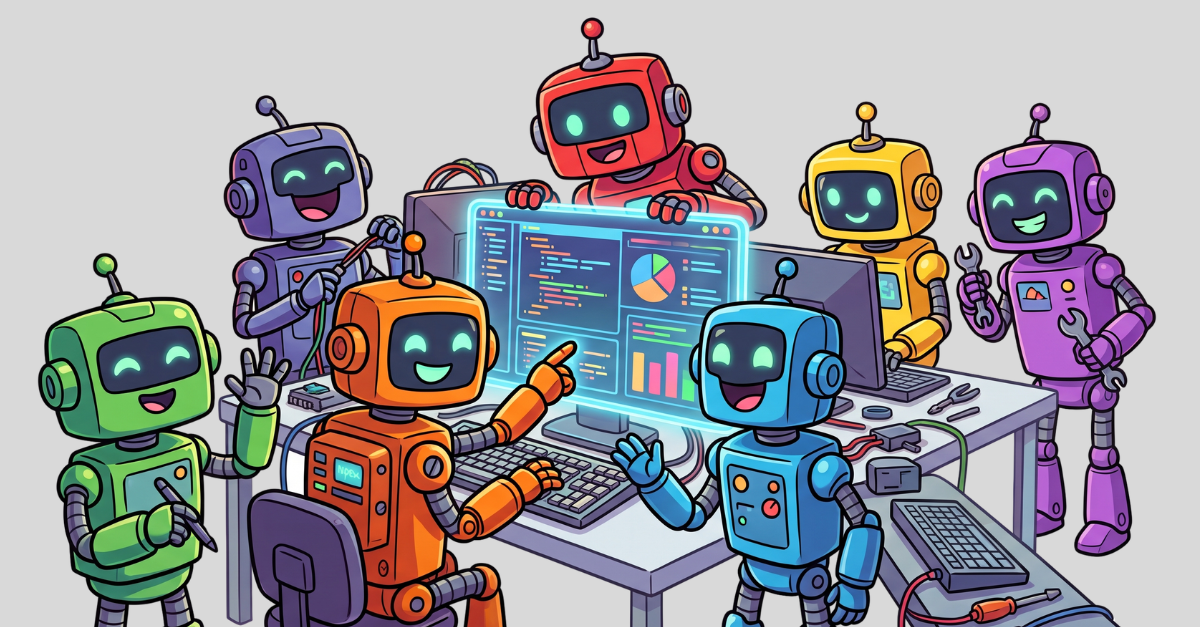
Salesforce has spent two years pushing agentic AI past the chatbot stage. On September 11, 2026, that work showed up as a full portfolio: seven named agents, each built for a specific job, plus a new runtime that lets one of them work toward a goal for weeks instead of minutes.

We’ve covered plenty of individual Agentforce features this year. This announcement is different. It’s less about a new capability and more about a new default: agents that arrive knowing the job, not agents you have to train from a blank canvas.
Here’s what shipped, why the long-horizon runtime matters more than the agent names, and what it means for the admins and architects who will actually configure this stuff.
Salesforce’s Case for Job-Ready Agents Over Build-Your-Own
Salesforce says it has processed 7 billion Agentic Work Units across Agentforce and Slack over the past two years, with 3.2 billion of those in Q2 alone. That volume shaped the pitch behind this release: most companies don’t need a blank agent-building canvas. They need an agent that already understands the job.
Each of the seven agents ships with the skills, actions, and data model that job requires, then connects to whatever Customer 360 data and business process the customer already has in Salesforce. Admins can rename and reskin each one to match their brand, but the underlying job logic comes prebuilt. Instead of starting with a blank prompt and a list of actions, admins start with a working agent and adjust it to their process.
Meet the New Agentforce Portfolio
Seven agents make up the initial lineup, and each targets a different function:

- Casey: A help agent, resolves customer service issues across voice, SMS, WhatsApp, and web chat, with prebuilt support for FAQs, returns, and account management. It’s generally available now.
- Paige: An IT and HR service agent, resolves employee requests inside Slack, portals, and the tools staff already use. Also generally available.
- Carter: A shopper agent, helps customers discover and compare products and complete checkout inside the chat experience.
- Hunter: An outbound sales agent, works a pipeline from research through outreach and stays on a deal for weeks or months alongside a seller. It’s in pilot now, with general availability slated for November 2026.
- Marshall: A supply chain agent, orchestrates back-office processes with deterministic execution and logs an audit record for every action it takes.

Image source: https://www.qualified.com/conversations - Piper: An inbound pipeline generation agent, engages website visitors and inbound leads to qualify and convert them into pipeline for B2B teams. Piper originates from Qualified, which Salesforce has folded into this agent portfolio.
- Fin: A customer agent built on Intercom’s Operator and Fin Apex models, resolves customer experience workflows across every channel and is designed for teams that want one agent covering the full customer journey.
Salesforce backed the launch with adoption numbers from early customers: Engine’s help agent resolves half its chat inquiries without human involvement. These figures come from Salesforce’s own case studies, not independent benchmarks, so validate against your own volume and complexity before setting expectations internally.
Why Hunter Needed a Long-Horizon Runtime
Most Agentforce work to date has been transactional: a single conversation, a single task, a clean start and finish. Sales work doesn’t fit that shape. A seller doesn’t research an account once and move on. Winning a deal takes weeks of outreach, shifting priorities, and decisions that depend on what happened last week.
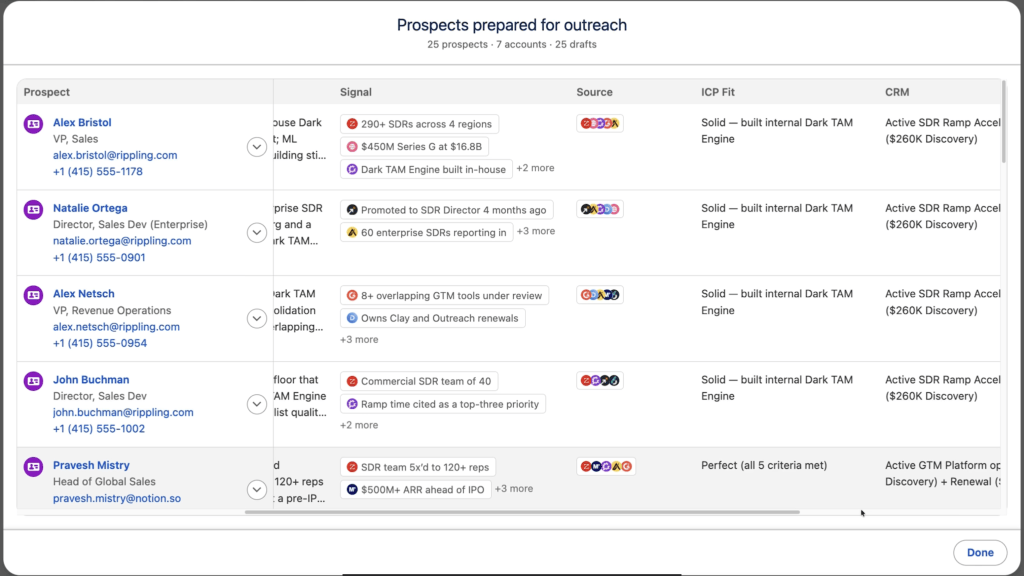
To handle that, Salesforce built a long-horizon runtime and launched Hunter as the first agent running on it. Instead of completing a task and stopping, Hunter can take an objective like rescuing at-risk deals before quarter close, turn it into a measurable goal, and build a plan toward it. It decides what tasks to run, what tools and context it needs, and where the guardrails sit for when it can act alone versus when it needs seller approval.
Salesforce’s own Hunter product page confirms this is a headless agent designed to work in Slack, Teams, or Claude with the same goals and guardrails it would have inside Salesforce, and that its memory attaches to accounts, contacts, and opportunities rather than to a single chat session.
The Three Capabilities Behind Long-Horizon Work
Three underlying capabilities make multi-week agent work possible, and they’re worth understanding even if you never touch Hunter directly, since Salesforce plans to extend the runtime to more agents over time.
Memory: Keeps context and progress alive across sessions. An agent picks up where it left off instead of starting cold every time someone opens a new conversation.
Durable execution: Keeps a plan running over time and lets an agent resume or adjust course as circumstances change, rather than failing silently when something interrupts it.
Dynamic steering: Adapts an agent’s behavior based on a specific user’s feedback and direction, so the agent’s judgment calls reflect how that rep or team actually wants to work.
Together, these three pieces are what separate a long-horizon agent from a well-configured Flow or a scheduled batch job. The agent isn’t just executing steps. It’s tracking a goal, adjusting the plan, and asking for input at the right moments.
What This Agent Lineup Means for Admins and Architects
For Salesforce admins, this release raises a practical question before a strategic one: which of these seven agents maps to a job your org already struggles to staff or scale? Six of the seven, Casey, Paige, Carter, Marshall, Piper, and Fin, are generally available now. Hunter is the outlier, still in pilot with a November 2026 GA date, so treat any sales rollout as a phased evaluation rather than a production commitment until then.
Every agent in this lineup still operates inside the customer’s existing business rules, permissions, and security model, and Salesforce points to Agent Script, its open-source language for agent behavior, as the mechanism for layering deterministic rules on top of AI reasoning. These agents are built to work inside the guardrails you already set.
As more agents move onto the long-horizon runtime, expect memory, durable execution, and dynamic steering to become standard vocabulary in Agentforce planning conversations, the same way triggers and flows became standard vocabulary for declarative automation a decade ago.
Explore related content:
Slack Code: AI Coding Agents Have Entered the Team Chat
8 Dreamforce 2026 Sessions for Every Admin’s Agenda
Setup with Agentforce: What Admins Can Actually Do Right Now

