
Salesforce AI: Transforming Data into Sales Engagement


Salesforce AI for sales plays an important role in creating comprehensive customer profiles for retailers. Salesforce’s AI capabilities, particularly Salesforce Einstein and Data Cloud, help retailers create holistic views of customers by utilizing AI-driven data integration, predictive analytics, and personalized engagement strategies. There are eight foundational ways in which AI helps in understanding and engaging with customers throughout their journey.
Unified Customer Data
AI can aggregate data from multiple sources such as purchase history, browsing behavior, social media interactions, and customer feedback. It then cleanses, normalizes, and consolidates this data into a single customer view, allowing retailers to track customer interactions in real time.
Salesforce Customer 360 provides a unified view of each customer by integrating data from sales, service, marketing, commerce, and more. For example, Data Cloud for Commerce integrates customer data from various sources, including e-commerce transactions, in-store purchases, social media interactions, customer service logs, and loyalty programs. This comprehensive data collection helps in building detailed customer profiles that capture all interactions and touchpoints.

Behavioral Analysis
AI algorithms analyze shopping behaviors to identify patterns and trends. It can track which products a customer frequently views, adds to their cart, or purchases. This analysis helps in understanding customer preferences and predicting future buying behaviors.
For example, Einstein AI analyzes browsing habits, cart abandonment patterns, past purchases, and engagement across multiple channels – such as website visits, email opens, and social media engagements.

Predictive Analytics
Predictive analytics models assess purchase frequency, preferences, and seasonal trends to anticipate future needs. AI uses predictive models to forecast future buying patterns based on historical data. It can predict which products a customer is likely to buy next, the optimal time for engagement, and the preferred channels for communication.

AI-powered segmentation groups customers based on behavior, demographics, and psychographics, allowing for hyper-targeted marketing. Churn prediction models identify at-risk customers and suggest re-engagement strategies. (In the context of Salesforce, a churn prediction model is a tool or process that utilizes Salesforce’s data and automation features to forecast which customers are at risk of discontinuing their service or product subscription.)

For example, Einstein Predictive Analytics uses machine learning models to forecast future customer behaviors, such as the likelihood of making a purchase, potential churn, or product preferences. These predictions enable retailers to anticipate customer needs and take proactive measures to enhance their experience.
Personalized Marketing
AI helps in segmenting Salesforce Accounts and Contacts into different groups based on their behaviors and preferences. This segmentation allows for more targeted and personalized marketing strategies. Retailers can tailor their Marketing Cloud campaigns, offers, and recommendations to individual Salesforce Leads or Opportunities, increasing the relevance and effectiveness of their campaigns.
For example, Einstein Next Best Action recommends tailored product suggestions, exclusive discounts, or personalized content. Automated email and SMS campaigns deliver individualized promotions at the right time based on AI-driven insights. Dynamic website personalization adjusts homepage banners, product recommendations, and checkout experiences for each visitor.
As another example, Salesforce Marketing Cloud deploys Einstein AI to deliver personalized email campaigns, social media ads, and mobile messages. It uses AI- driven insights to optimize campaign performance and ensure that marketing efforts are aligned with customer preferences. Retailers can use Einstein Recommendations to deliver personalized product suggestions, offers, and content to individual customers, increasing engagement and conversion rates.
Read more about Marketing Cloud here 👉🏼 Understanding Marketing Cloud Growth
Customer Journey Mapping
AI can map out the entire customer journey, identifying key touchpoints and interactions. This helps retailers understand how customers move through different stages of the buying process. By analyzing these touchpoints, retailers can optimize each stage of the journey to improve customer satisfaction and loyalty.
As part of optimizing the customer’s omnichannel experience, AI synchronizes online and offline shopping experiences, ensuring a seamless journey across e-commerce, physical stores, and customer service.
For example, Salesforce Journey Builder allows retailers to design and automate personalized customer journeys across multiple channels. Einstein AI optimizes these journeys by analyzing customer interactions and suggesting the best next steps to keep customers engaged and satisfied.

Real-Time Engagement
AI-powered chatbots (agents) and virtual assistants can engage with customers in real-time, providing instant support and personalized recommendations. This real-time interaction greatly improves the customer experience and helps in addressing queries or concerns quickly.
For example, Einstein Bots provide real-time customer support and engagement through chatbots that can handle inquiries, provide recommendations, and assist with transactions. This real-time interaction enhances the customer experience and ensures timely responses to customer needs.
Sentiment Analysis
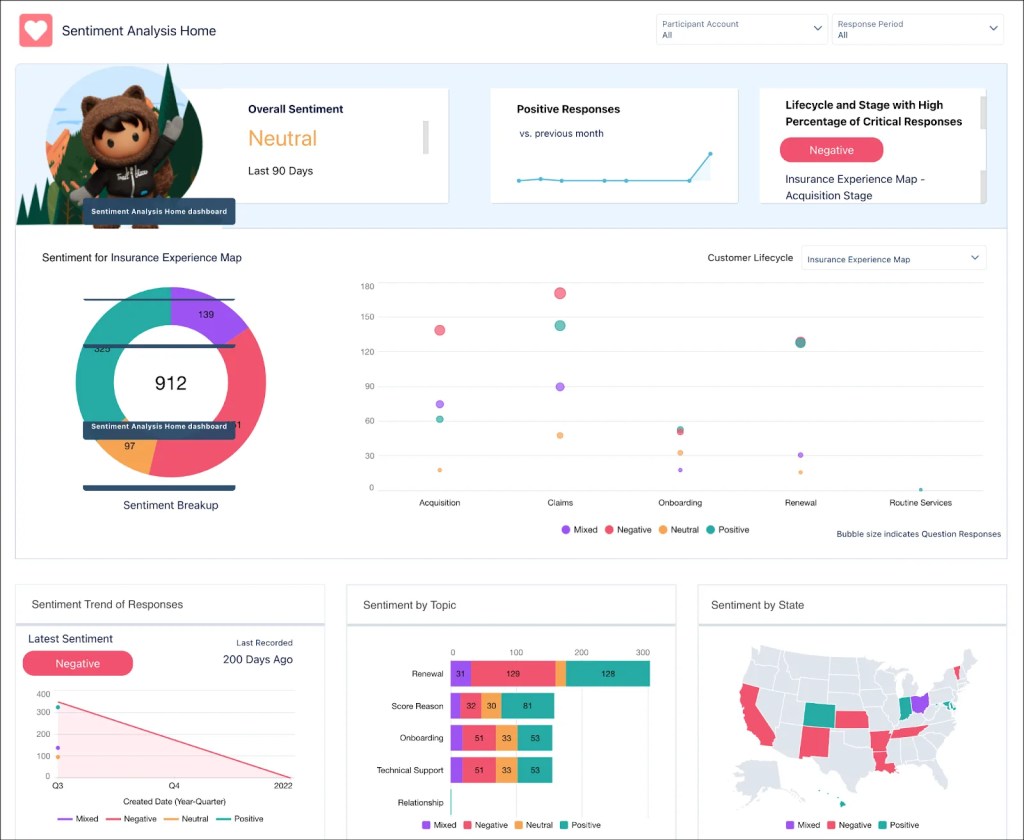
AI can analyze customer reviews, social media posts, and feedback to gauge customer sentiment and intention. This helps retailers understand how customers feel about their products and services. By addressing negative sentiments and reinforcing positive ones, retailers can improve their brand perception and customer loyalty.
For example, Einstein Sentiment analyzes customer feedback, reviews, and social media posts to gauge where the consumer is in their journey. Retailers can use this information to understand customer emotions and address any negative feedback promptly, improving overall contact satisfaction and continued loyalty.
Dynamic Pricing and Inventory Management
AI can optimize pricing strategies based on demand forecasts, competitor pricing, and customer behavior. This ensures competitive pricing while maximizing profits.
For example, Salesforce Einstein can optimize pricing strategies by analyzing market trends, competitor pricing, and customer demand. It also helps in managing inventory by predicting stock requirements and reducing the risk of overstocking or stockouts.
Conclusion
With the use of AI, retailers can gain deeper insights into their customers and leads to anticipate their needs, and deliver personalized experiences at every stage of the customer journey to drive engagement and loyalty. The impact on the retail industry is threefold:
1️⃣ Increased sales and conversion rates through highly personalized recommendations
2️⃣ Improved customer retention with proactive engagement
3️⃣ More effective marketing spend through precise audience targeting
Additionally, AI models continuously learn from new data, refining recommendations, optimizing promotions, and improving customer engagement over time. When retailers embrace AI with a holistic approach to both their strategy and technology stack, it helps them to stay competitive and meet the evolving needs of their customers.
How do you use AI in sales? Let’s discuss in the comments!
Explore related content:
How To Build Custom Flow Actions For Agentforce – Planning Phase
Einstein Generative AI for Public Sector Solutions – New Release
How Can Salesforce Professionals Prepare for an Einstein Future?
How To Build Flex and Field Generation Prompt Templates in the Prompt Builder


4 Comments